Table Of Content
- Try Home Treatment
- How are hairy ears diagnosed?
- The 5 Best Ear Hair Trimmers for Men, Tested by Grooming Editors
- Is Laser Hair Removal the Solution for Your Ingrown Hairs?
- Is Laser Hair Removal for Ears Right for You? A Comprehensive Guide
- Is Ear Wax Removal Right for Me?
- How to Remove Ear Hair With An Ear Hair Trimmer
- Trimming Ear Hair

The only thing you need to ensure is that you buy high-quality tools to get the job done. Inner ear hair and ear wax work together to filter out debris and other foreign bodies that might reach the eardrum or, worse, the brain. While a professional won’t make it hurt any less, they are more likely to remove the hair safely than you would have done at home. After the session, you can simply be managing the hair with just a little tweezing and trimming here and there.
Try Home Treatment
When used to remove hair from any part of the body, including the ears, there are no permanent side effects except for the slight reddening of the skin for a few hours. Just like with electric hair trimmers, you don’t need any special skills to use tweezers. The pain is moderate, but that will depend on how much endurance to the pain you have.

How are hairy ears diagnosed?
18 Hair Removal Products That People Actually Swear By - BuzzFeed
18 Hair Removal Products That People Actually Swear By.
Posted: Sat, 05 Aug 2023 07:00:00 GMT [source]
You could get a friend to do it, but one sneeze, and it’s a trip to the hospital. For many years, researchers thought it was a trait men passed down genetically, through their Y chromosome. The only parts without it are the palms of your hands, your lips, and the soles of your feet.
The 5 Best Ear Hair Trimmers for Men, Tested by Grooming Editors
The best epilators of 2024 for hair removal, including Philips Lumea - The Telegraph
The best epilators of 2024 for hair removal, including Philips Lumea.
Posted: Tue, 02 Jan 2024 08:00:00 GMT [source]
For hours post-treatment, hot showers, saunas, or any activity introducing excessive heat to the treated zone should be avoided. Gently cleanse the area using lukewarm water paired with a soft cleanser. Steer clear of soaps with potent fragrances or abrasive components. When drying, opt for a gentle pat-down with a soft cloth rather than a rub.
Laser removal is most effective with darker hair pigment, and electrolysis works well for lighter hair colors. While laser hair removal is a permanent option, it can be expensive and will require anywhere from four to eight sessions. Laser hair removal treatments are the best way to remove ear hair permanently. It's a very safe and painless method of permanently removing ear hair. For those who want a simple and quick at-home solution, many agree that trimming and plucking are the best ear hair removal methods.
Is Laser Hair Removal for Ears Right for You? A Comprehensive Guide
Laser hair removal is a medical procedure that involves the use of a concentrated light beam called a laser to remove any unwanted hair. If any of the hot wax flows deep inside the ear, it can cause irreversible damage. Plucking is a rather cheap method but a miserable one at the end of the day.
Additionally, plucking your ear hairs out one by one can be extremely painful and uncomfortable. Before you begin trimming your ear hairs, you need to get rid of any debris or wax that could be in the ear. After that, dip a clean Q-tip into the solution and then gently clean the exterior of the ear canal as well as the outer ear crevices. Professional ear hair removal services include waxing, laser treatment, and electrolysis. Laser treatment and electrolysis are on the higher end of the price spectrum.
How to Remove Ear Hair With An Ear Hair Trimmer
Ear hair removal is the best way of getting back your confidence. Especially when you’re not sure which is the most effective and safe method. Drops used to soften the wax are not always effective and often will not resolve an impacted blockage. You’ve decided to say goodbye to unwanted body hair with... Every individual is unique, and post-treatment guidance might vary accordingly. Always adhere to any additional recommendations or instructions provided by your healthcare professional.
Trimming Ear Hair
This is a slower option than using an electric trimmer, but you don't have to worry about keeping them charged, and they are a good option if you only need to cut a few hairs. Before we talk about the best ways to remove your ear hair, we believe it's essential to discuss what not to do. Some of these methods are very common and seem harmless; however, you could be causing damage to your ear.
Using hair removal creams in the ear can become a hazard if you place too much cream inside your ear and it becomes stuck in the back of the ear. This cream can damage your skin and cause hearing problems. Another way of doing this is to go through a process called electrolysis, which also targets the bulb of the ear hair but by using shortwave radio frequencies.
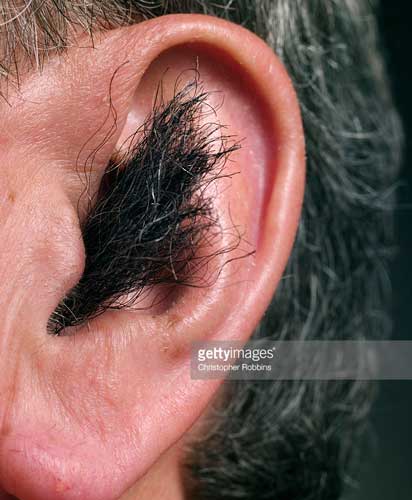
Fortunately, laser hair removal offers a lasting way to say goodbye to annoying ear hair. The best way to incorporate this into your routine is to invest in a facial hair or ear and nose hair trimmer. Ear hair trimmers have their blades protected inside of a small metal piece. This keeps the blades away from the skin’s surface, and makes sure that nothing gets trimmed too close to the skin.
Laser hair removal isn’t painful for your ears but you may feel some discomfort. The skin around the ears is on the thinner side so you may feel a sensation similar to a sharp pinch or a slight burn. Don’t be alarmed as this is very normal and apart from slight redness the next day, it won’t leave any marks on your skin.